What is wealth?
February 18, 2026
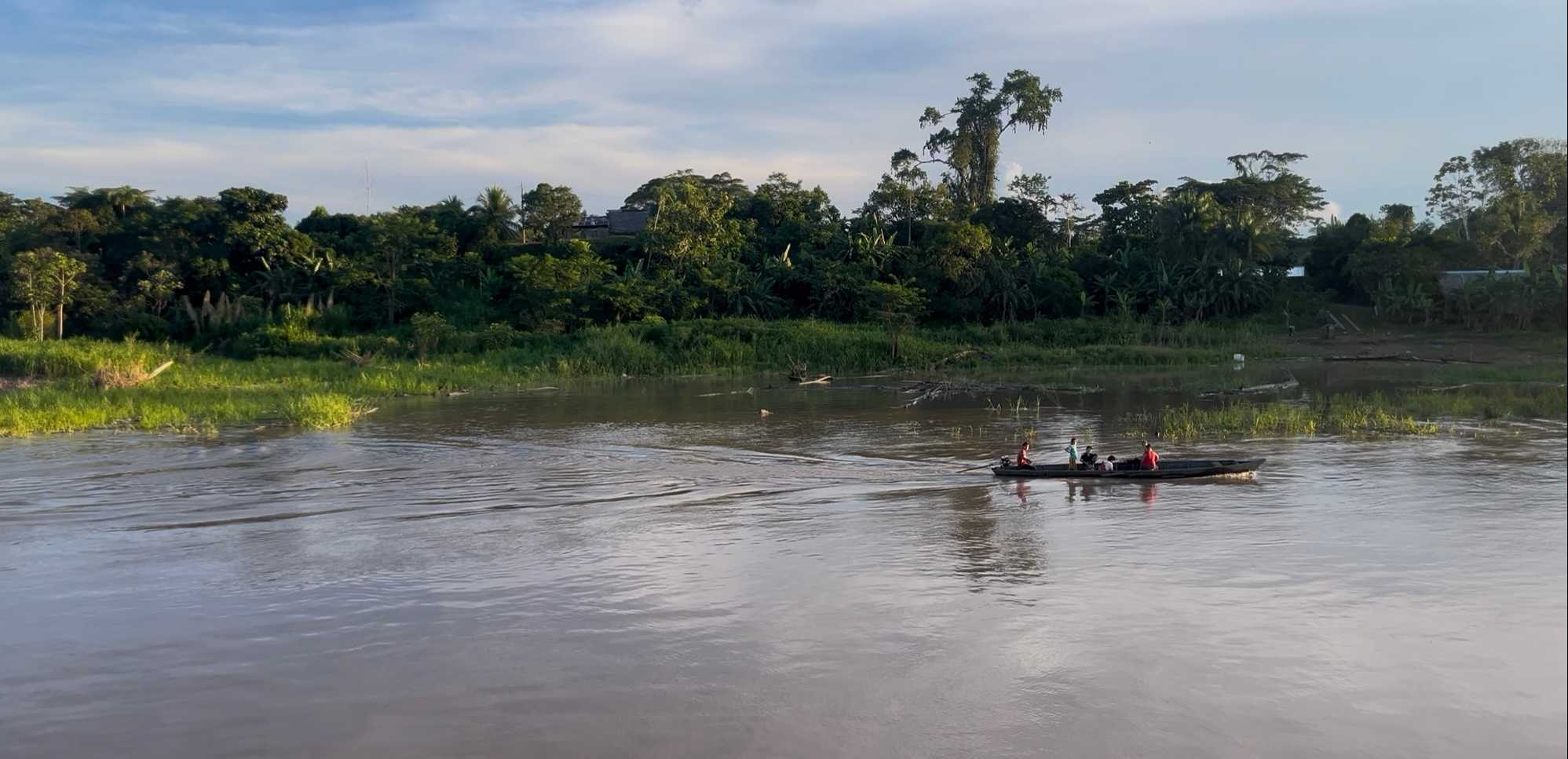
Lately I've been traveling in Peru and Colombia. The thing I love most about traveling is the people I meet along the way, and on this trip I've particularly enjoyed chatting with digital nomads. As is the case in many parts of the world, a dollar goes much further here than it does at home. Digital nomads are really good at taking advantage of this, and I admire them for how deeply they value their quality of life. My conversations with them have reminded me of a quote I once heard about wealth. It goes something like this: "Wealth is not about how much money you have. It's about how you spend it." Indeed, we can all imagine stereotypes of the penny-pinching landlord or the miserly lender, like Ebenezer Scrooge in Charles Dickens's novel A Christmas Carol. This type of person, despite the size of their bank account, moves through life with the mindset of an impoverished person. They seem to be uncomfortable with abundance. So, if wealth is more about how someone spends their money than how they earn it or save it, what is wealth really made of?
The first element of wealth is luxury. Indeed, there are some things that only money can buy. In general, I define a luxury item as something built to last that one grows to adore more with time. Luxuries are things that attract sentimentality, and often that requires that they be long-lived. This would include a nice set of knives, a quality piece of furniture made with solid hardwood instead of a thin veneer, or a 100% wool coat instead of a trendy polyester one. When we buy these things, we naturally care for them over time. And as we grow more fond of them, we're also more likely to consider them as heirlooms, things that we'll pass down, and which could touch the lives of our loved ones for decades. There are also more ephemeral luxuries like food, gardens, flowers, and experiences, but I would place these under the second element of wealth — leisure.
Maximizing the quantity and quality of one's leisure is built on the reliance of others. Almost everyone prefers to rely on others. We want barbers, bankers, handymen, teachers, housekeepers, babysitters, dogsitters, chefs, and waitstaff all working on our behalf so we can do more of what we want when we want. A sense of prosperity emerges from these relationships. This relates to an idea I once heard distinguishing financial security from financial freedom. The idea is that financial security is the ability to weather the storm, whether it's job-loss, a market-crash, or a costly and unavoidable medical intervention. Financial freedom, on the other hand, is the ability to do what one wants when they want and to know they'll be able to cover the bill. If you decided right now that you want to ride a horse across Mongolia starting next week, you could rest assured that you'll be able to afford the right teachers, guides, and supplies to make it happen. So in one sense leisure is something that can be bought. With enough money, one can almost always find the time to do what they want, and they can always afford to pay the people supporting them along the way.
But maximizing leisure is not just about having tons of money. For example, if someone feels they work too much because they built a successful business that they don't yet trust anyone else to run, then in at least one sense, their source of income has become a source of scarcity in their life. Similarly, if someone overworks themselves because of an unconscious desire for status or control, they may achieve great financial success, but they're likely missing out on a lot of life. There's little joy in working hard to afford the big house with a pool if you never have time to swim. On the other hand, if a person with loads of money still works a lot because they like it, then work is their leisure. They work because they want to, not because they have to.
Maximizing leisure is about making deliberate choices. If most of your leisure time is spent at home, a modest floor plan may be a worthwhile trade-off for a better view, a larger garden, or a quieter street. Better yet, consider living closer to the cafe, the sauna, or the park where you and your friends like to hang out. If you enjoy cooking, buy the more fully-featured oven. If you enjoy eating out, go more often to the restaurant with better service, better lighting, or better food. Best of all, enjoy all these things more frequently with friends. And, on the topic of friends, it's important to distinguish them, along with neighbors and family, from the people who we rely on in a more transactional way like barbers and dogsitters. Relationships with friends and family are the greatest source of joy in most people's lives, and they are extremely hard to build and maintain without leisure. So relationships are like a form of meta-leisure. Having them helps us maximize our leisure, and because of all the joy they add to our lives, building and growing them is the richest form of leisure in and of itself.
This brings us to the third element of wealth — mastery. Oftentimes an individual obtains mastery in one or more domains that are also the source of their income, like law, coding, plumbing, or real estate. This enables them to buy the luxuries and leisures of a wealthy lifestyle in the first place. Mastery also generates self-efficacy, the confidence in oneself that they have what it takes to do what they want, whether it's making new friends, learning a new language, or running a marathon. And often times the most satisfying things in life are difficult and require high self-efficacy. If you really want to ride a horse across Mongolia, having the money to make it happen isn't quite sufficient. Sure, you may have the money to afford the teachers and guides to support you on your journey, but first you have to believe in your ability to find them and then to convince them to work with you. You also have to believe you have what it takes to endure any hardships that arise during your journey.
While mastery often comes in the form of the skills which generate your income, it doesn't have to. It could come in the form of an athletic, academic, or musical ability, and this may be the case more often for an individual born into an affluent family, where they may experience less pressure to develop economically-viable skills. Generally speaking, having a lot of money increases one's self-efficacy because it makes doing so many things in life easier. But it's not guaranteed to do so. For someone born into an affluent family who never develops mastery, there’s a risk of falling into the "trust-fund kid" stereotype. They may be able to afford whatever they want in life, but they're apparently incapable or unmotivated to do the hard things which make life satisfying. Like the founder of a company who can’t remove themselves from its day-to-day operations, the trust-fund kid also has a form of scarcity in their life. In their case, free from financial pressures, but also lacking any particular skills, it comes in the form of directionlessness. And that’s why mastery is important. It gives you the confidence that you can do hard things.
As a final note, consider for a moment the ancient Greek roots of the word "school", originally σχολή (pronounced skho-lay). It's meaning was leisure, rest, free time, or freedom from labor, and in particular its meaning came to include the activities one engaged in when they were free from the occupations of their daily life. This included philosophy, debate, lectures, and other forms of learning and development. School was the opposite of toil. It was leisure spent developing oneself in higher pursuits. It wasn't easy, but it was desirable. It was, in one sense, a pursuit of mastery, and in another, an activity made possible by mastery already achieved in one or more domains.
Leisure, combined with mastery, generates a sense of freedom — a sense that you own every hour of your day and that you alone are responsible for the outcomes of your life. Combined with luxury, these three things generate a feeling of abundance. They generate wealth in the form of a felt-sense that there is always enough to go around.
Wealth is not a quantity of money. It is a mindset of abundance, which money can help buy. So buy nice things that don't go out of style. Ask yourself how you would ideally spend your time, and then take small steps in that direction, including spending more money when necessary. Finally, hone your craft, and don't be afraid to pay for the teachers and resources that will help you along the way. Develop your skills in a way that gives you confidence that you can take on the challenges that make your life rewarding. And remember, the point of money is not to have it, but rather to have the life it can afford you.